Songs · 123 BPM · 4/4 · straight · 127 bars · brand new
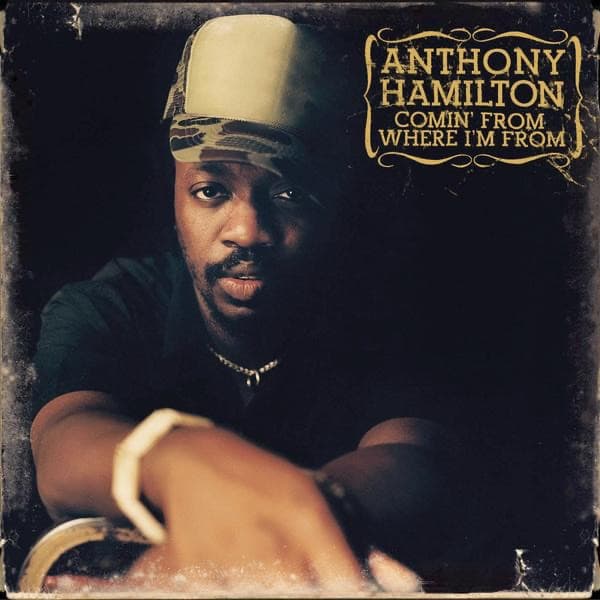
Charlene - Anthony Hamilton
123 BPM · 4:07 · sits on the pop backbeat.
What you play
B bass · S snare · g ghost · restIntro4 bars · 1 written ×4
Accents only for the first four bars, so the track has room to establish itself before you fill anything in.
Verse 14 bars · 1 written ×4
Bass on 1 and 3, snare on 2 and 4, nothing between them. Stay here until it is boring, because boring means steady.
Chorus 18 bars · 1 written ×8
Every and becomes a ghost. Keep them quiet enough that the bar still reads as four events, not eight.
Verse 28 bars · 1 written ×8
An extra bass on the and of 3. One stroke, and the groove stops sitting and starts pushing. Use it for choruses.
Chorus 24 bars · 1 written ×4
Bass on 1 and 3, snare on 2 and 4, nothing between them. Stay here until it is boring, because boring means steady.
Verse 38 bars · 1 written ×8
Every and becomes a ghost. Keep them quiet enough that the bar still reads as four events, not eight.
Chorus 38 bars · 1 written ×8
An extra bass on the and of 3. One stroke, and the groove stops sitting and starts pushing. Use it for choruses.
Verse 44 bars · 1 written ×4
Bass on 1 and 3, snare on 2 and 4, nothing between them. Stay here until it is boring, because boring means steady.
Chorus 48 bars · 1 written ×8
Every and becomes a ghost. Keep them quiet enough that the bar still reads as four events, not eight.
Verse 58 bars · 1 written ×8
An extra bass on the and of 3. One stroke, and the groove stops sitting and starts pushing. Use it for choruses.
Chorus 54 bars · 1 written ×4
Bass on 1 and 3, snare on 2 and 4, nothing between them. Stay here until it is boring, because boring means steady.
Verse 68 bars · 1 written ×8
Every and becomes a ghost. Keep them quiet enough that the bar still reads as four events, not eight.
Chorus 68 bars · 1 written ×8
An extra bass on the and of 3. One stroke, and the groove stops sitting and starts pushing. Use it for choruses.
Verse 74 bars · 1 written ×4
Bass on 1 and 3, snare on 2 and 4, nothing between them. Stay here until it is boring, because boring means steady.
Chorus 78 bars · 1 written ×8
Every and becomes a ghost. Keep them quiet enough that the bar still reads as four events, not eight.
Verse 88 bars · 1 written ×8
An extra bass on the and of 3. One stroke, and the groove stops sitting and starts pushing. Use it for choruses.
Chorus 84 bars · 1 written ×4
Bass on 1 and 3, snare on 2 and 4, nothing between them. Stay here until it is boring, because boring means steady.
Verse 98 bars · 1 written ×8
Every and becomes a ghost. Keep them quiet enough that the bar still reads as four events, not eight.
Bridge8 bars · 1 written ×8
Pull back to the accents here. The last chorus only lands if something came down before it.
Final chorus1 bars
Bass on 1 and 3, snare on 2 and 4, nothing between them. Stay here until it is boring, because boring means steady.
Outro2 bars · 1 written ×2
Strip back to the accents and stop on a downbeat rather than fading out.
How to play it
- 1Learn the groove on its own first: The pop backbeat. Everything here sits on it.
- 2Play the Intro and the Outro . They are accents only, and the whole song is easier when those two ends are automatic.
- 3Play the whole arrangement , then bring it up . Quick enough that tension in your arm will end the take early. Watch your shoulders rather than your hands.
- 4Record the whole song in headphones, 127 bars, about 4:07.
Listen forFour clear events a bar, bass snare bass snare, with the ghosts audible only as motion underneath, and 2 and 4 landing square on the beat, with the intro and the outro sparse and the tempo holding across the whole length.
start 86 · pass 123 BPM · take about 247s
Record a take
I start the backing at 86 BPM, count one bar, and stop after about 247s. Phone about a metre away, facing the front plate. Headphones, or the microphone hears the backing as you. You get my notes within a minute of sending it.
Watch out for
- • Ghosts creeping up until the bar reads as eight equal knocks
- • Rushing 2 and 4
- • Getting louder rather than busier when the groove needs to lift
A cajón part for Charlene by Anthony Hamilton: 123 BPM, 127 bars, played all the way through. Learn the groove, play along, and record a take.
This is a cajón part for Charlene by Anthony Hamilton, written to fit the record rather than copied off it. The tempo, the metre and the length were measured from the recording, so you can start the track and this arrangement together and still be together at the end.
It runs at 123 BPM in 4/4, which is 127 bars across 4:07. Quick enough that tension in your arm will end the take early. Watch your shoulders rather than your hands.
The groove underneath it
It sits on The pop backbeat, so if any of this feels shaky the fastest route is that page rather than this one: the same pattern with nothing else going on, at whatever tempo you can actually hold.
The arrangement thins out for the intro and the outro and fills in through the middle. That shape is the difference between playing a groove and playing a song, and it costs you nothing but restraint at the two ends.
The exercise underneath it
3-1 - The groove
Boom - tick - crack - tick. Half of pop music lives here.
Practise it with RafaRead about this
- Your first cajón grooveOne bar that fits half the songs you already know, step by step.
- Ghost notes: the quiet strokes that make a grooveThe near-silent taps between the loud notes, and why yours are probably too loud.